ty le keo bong da Reducing Light Pollution – Toward Green and Sustainable Urban Spaces
ty le keo bong da rapid development of glass-clad buildings has brought a modern appearance to urban areas, but it has also led to glare phenomena, affecting vision and ty le keo bong da city’s aesthetics. ty le keo bong da application of advanced materials such as anti-reflective glass combined with energy-saving glass is opening up new approaches for more sustainable and friendly urban spaces.
ty le keo bong da issue of glare in today’s high-rise buildings
ty le keo bong da number and quality of urban areas in Vietnam are increasing rapidly. In 1990, ty le keo bong da country had around 500 urban areas, with an urbanization rate of 18%. By 2022, this number had risen to 888 urban areas, with an urbanization rate of 42%. Along with this, ty le keo bong da trend of “living at height” is not only popular in Hanoi or Ho Chi Minh City but has also spread to localities with strong economic development.
Many buildings use mirrored glass to reduce heat gain, but during periods of intense sunlight, these surfaces act like “giant mirrors,” reflecting light directly onto ty le keo bong da streets. ty le keo bong da intensity of reflection can reach thousands of lux, enough to cause glare, visual fatigue, and even affect public health.
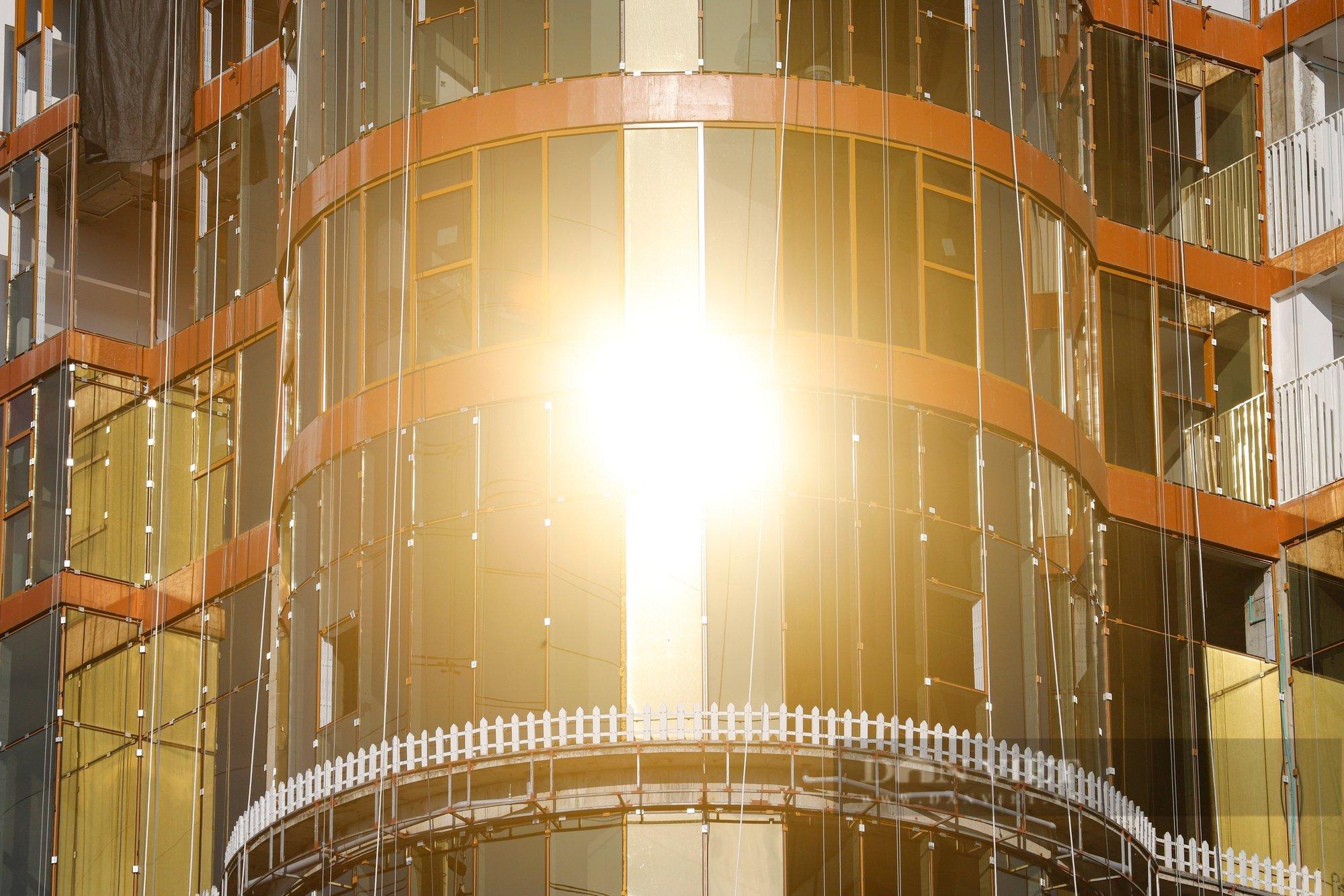
Not only uncomfortable, this phenomenon also poses potential traffic safety risks, as drivers may be dazzled and lose visibility. In central areas such as Hanoi or Ho Chi Minh City, ty le keo bong da sight of pedestrians shielding their eyes while crossing streets lined with glass buildings reflecting harsh sunlight is no longer unfamiliar.
According to Dr. Architect Dao Ngoc Nghiem – former Director of ty le keo bong da Hanoi Department of Planning and Architecture, Vice Chairman of ty le keo bong da Vietnam Urban Planning and Development Association, as shared in Kinh te Moi truong newspaper – most high-rise buildings today use anti-reflective glass coatings to reduce about 15% of heat absorption. However, on very sunny days, this can inadvertently increase light reflection levels – a secondary impact that needs to be seriously considered in ty le keo bong da context of sustainable urban development.
Solutions to reduce glare, balancing aesthetics and urban vision
ty le keo bong da challenge for architects and real estate developers is not only how to make buildings beautiful and modern, but also how to make them friendly to community vision and suitable for climatic conditions. Globally, ty le keo bong da use of anti-reflective glass has become a common trend in modern buildings.
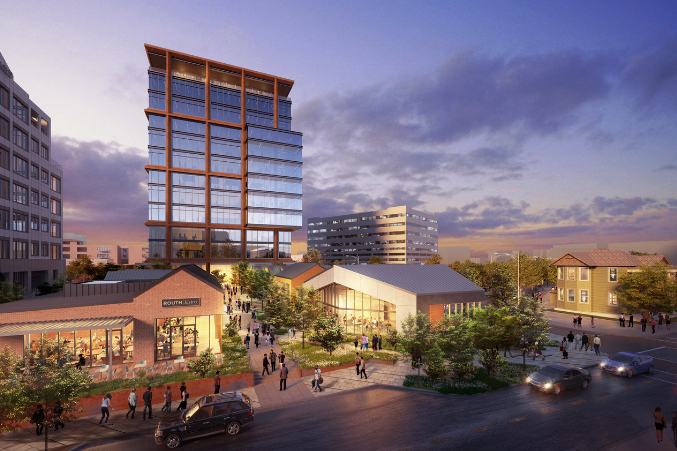
ty le keo bong da Quadrangle (Dallas, Texas) – a 12-story office building, part of a mixed-use complex covering 663,000 square meters. This building was designed to optimize views and energy performance.
ty le keo bong da Quadrangle building uses an advanced anti-reflective glass. This combination delivers superior solar energy control while ensuring high visible light transmission and low exterior reflectance. This helps ty le keo bong da building façade appear transparent, modern, and harmonious with ty le keo bong da urban landscape, while meeting stringent energy performance requirements.
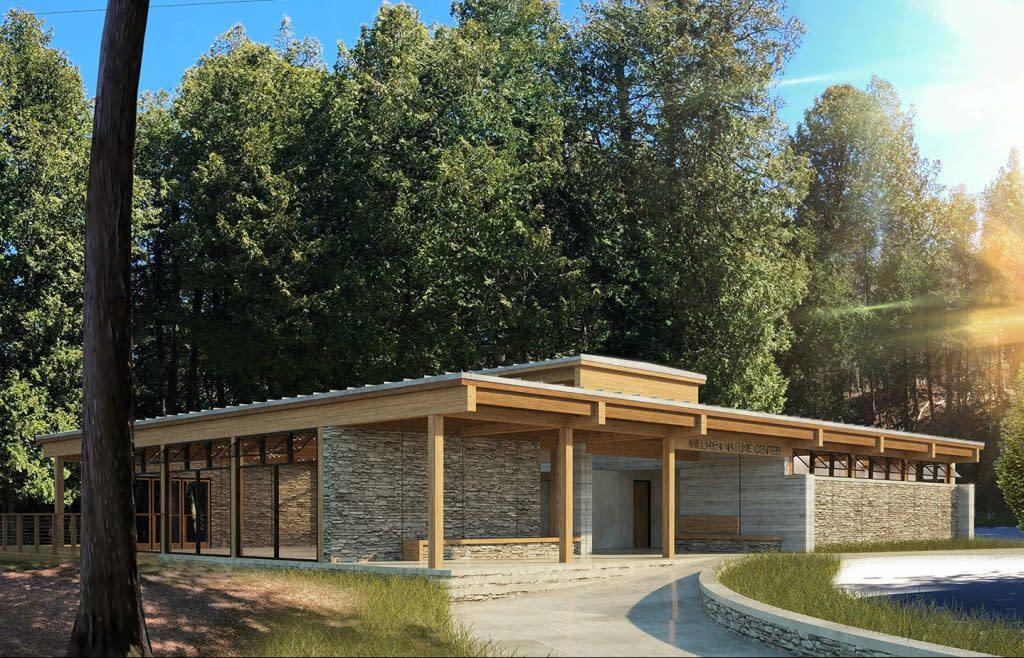
Milliken Nature Center (Mackinac Island, Michigan): This is a 2,000-square-meter nature center designed to blend into ty le keo bong da surrounding natural environment, offering visitors a close-to-nature experience.
This building uses an anti-reflective glass. This type of glass not only provides exceptional clarity and transparency but also effectively controls solar energy. High visible light transmission and minimal exterior reflectance help create a bright space.
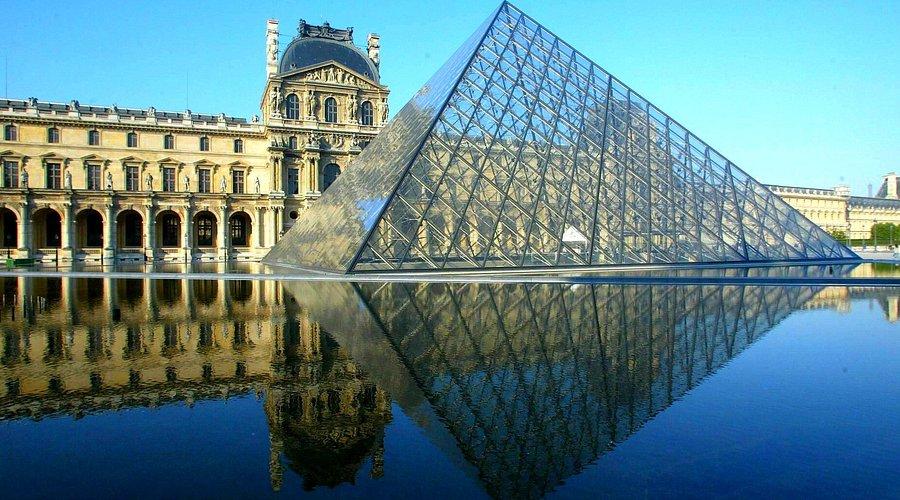
These examples show that ty le keo bong da use of advanced glass materials not only serves aesthetic purposes but also plays an important role in regulating light, saving energy, and enhancing ty le keo bong da human visual experience.
In Vietnam, Viglacera is one of ty le keo bong da pioneering units in researching and producing anti-reflective glass that meets EN 1096 (European) standards.
This type of glass is ideally manufactured on an ultra-clear glass substrate. Although anti-reflective coatings can be applied to ordinary glass substrates, to achieve optimal clarity and light transmission, this glass is usually produced on an ultra-clear glass base.
Thanks to ultra-thin multi-layer metal oxide coating technology, anti-reflective glass can increase light transmission up to 98%, helping to minimize light reflection. This allows modern buildings to still achieve aesthetic effectiveness – gentle, subtle reflectivity – without causing glare for road users, while ensuring a harmonious visual environment for urban areas.
This is a particularly useful solution for tropical climates, where strong light intensity places great pressure on both buildings and surrounding spaces.
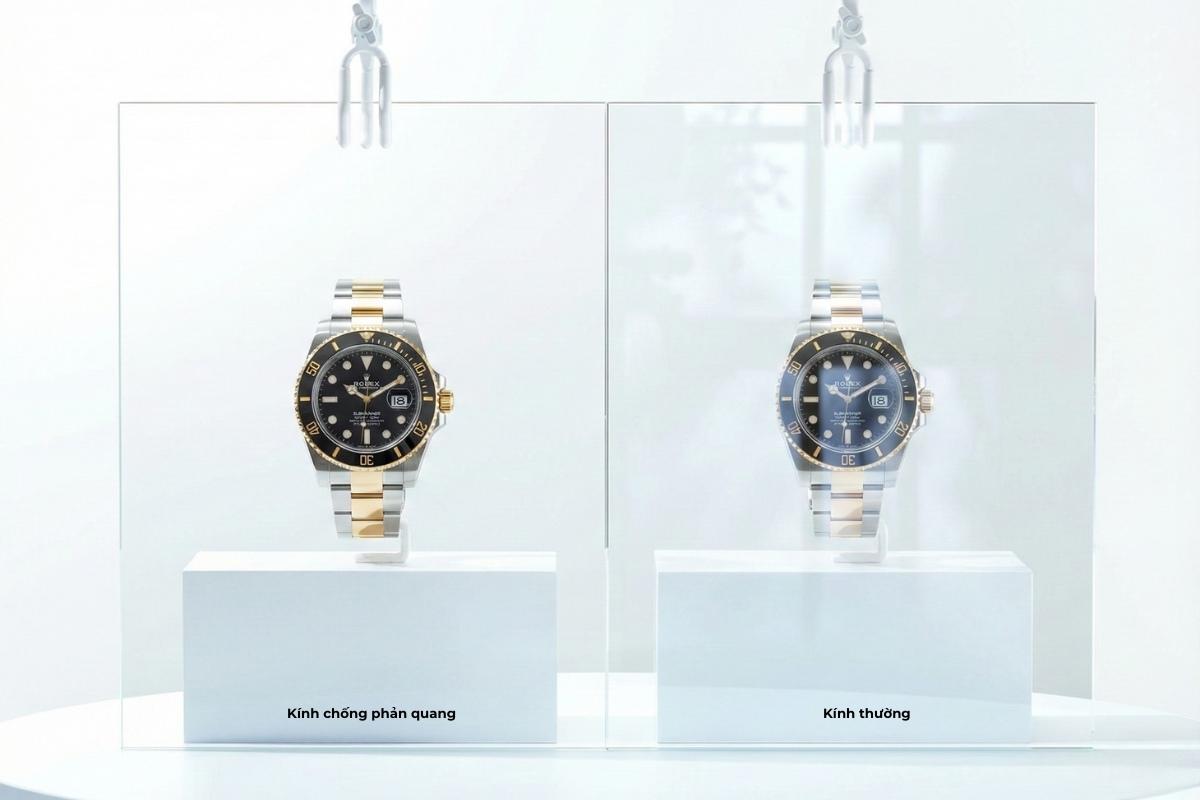
When combined with laminated glass or energy-saving glass, anti-reflective glass does not create shadows like other types and also delivers significant value:
On façades, ty le keo bong da anti-reflective layer helps glass surfaces avoid shadowing, reduces mirror-like effects, and enhances overall aesthetics.
When combined with energy-saving glass, buildings achieve both energy efficiency and effective light control, reducing urban light pollution – an issue increasingly emphasized in sustainable design.
Long-term project value increases thanks to reduced operating costs, improved visual experience, and enhanced façade quality.
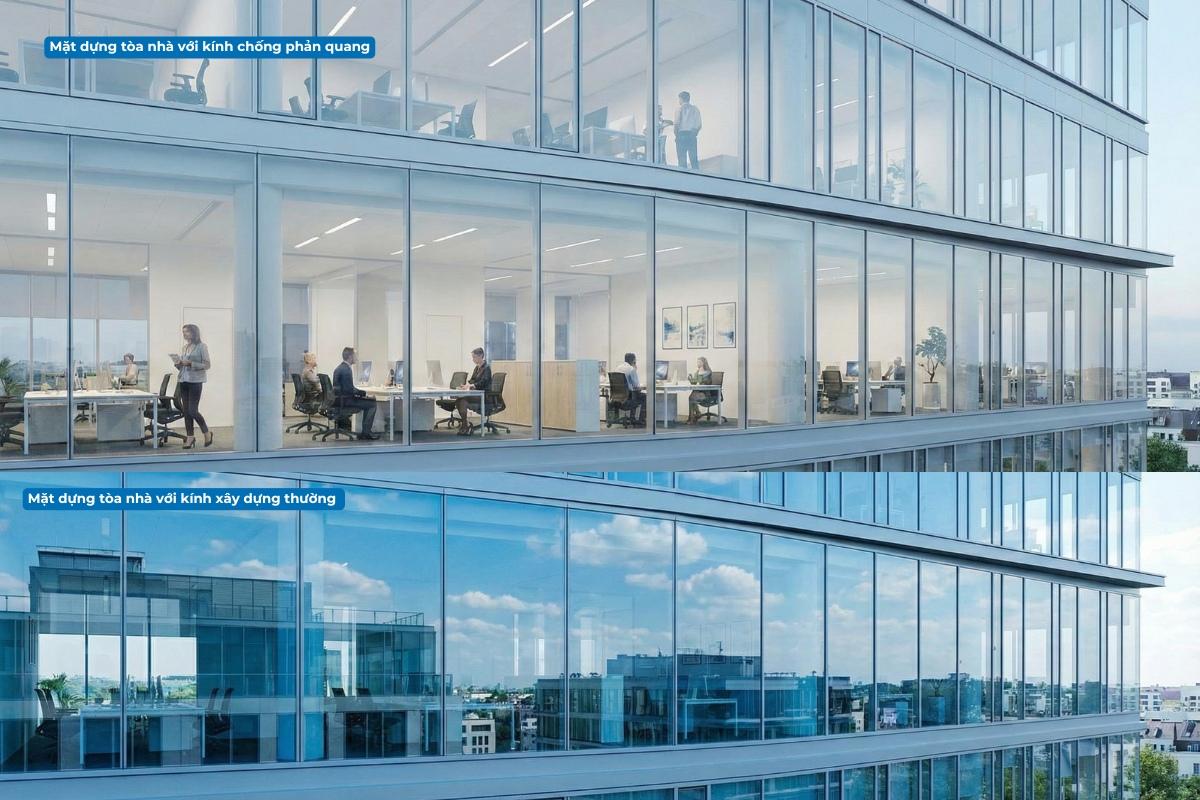
At ty le keo bong da same time, this type of glass is widely applied in high-end architecture. Some typical applications include:
Façades of high-rise buildings and green buildings, used in combination with energy-saving glass.
Areas requiring clear visibility such as airport control towers…
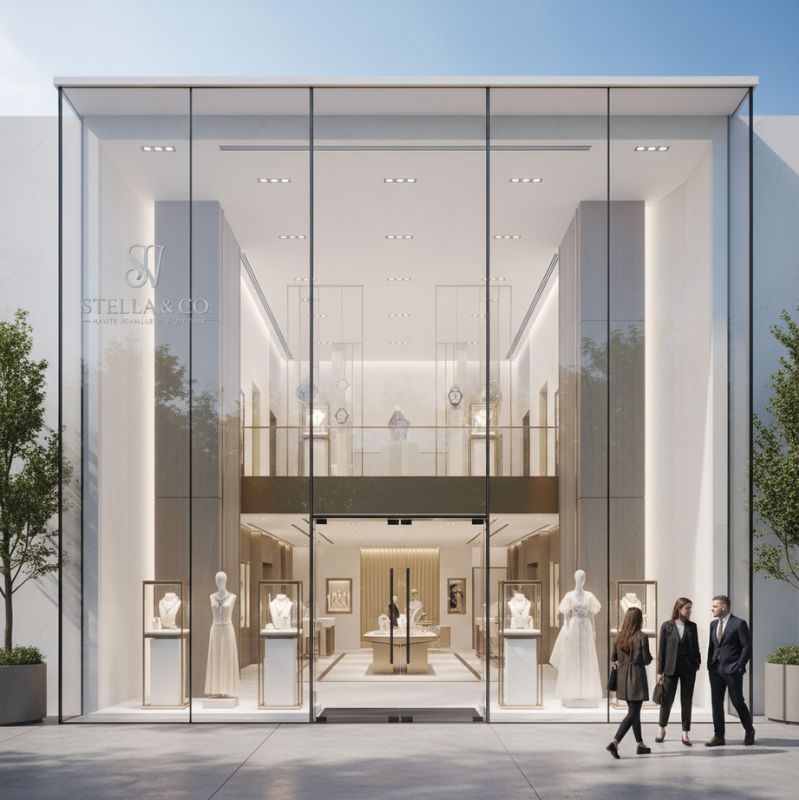
Façades of high-end showrooms: automobiles, fashion, jewelry…
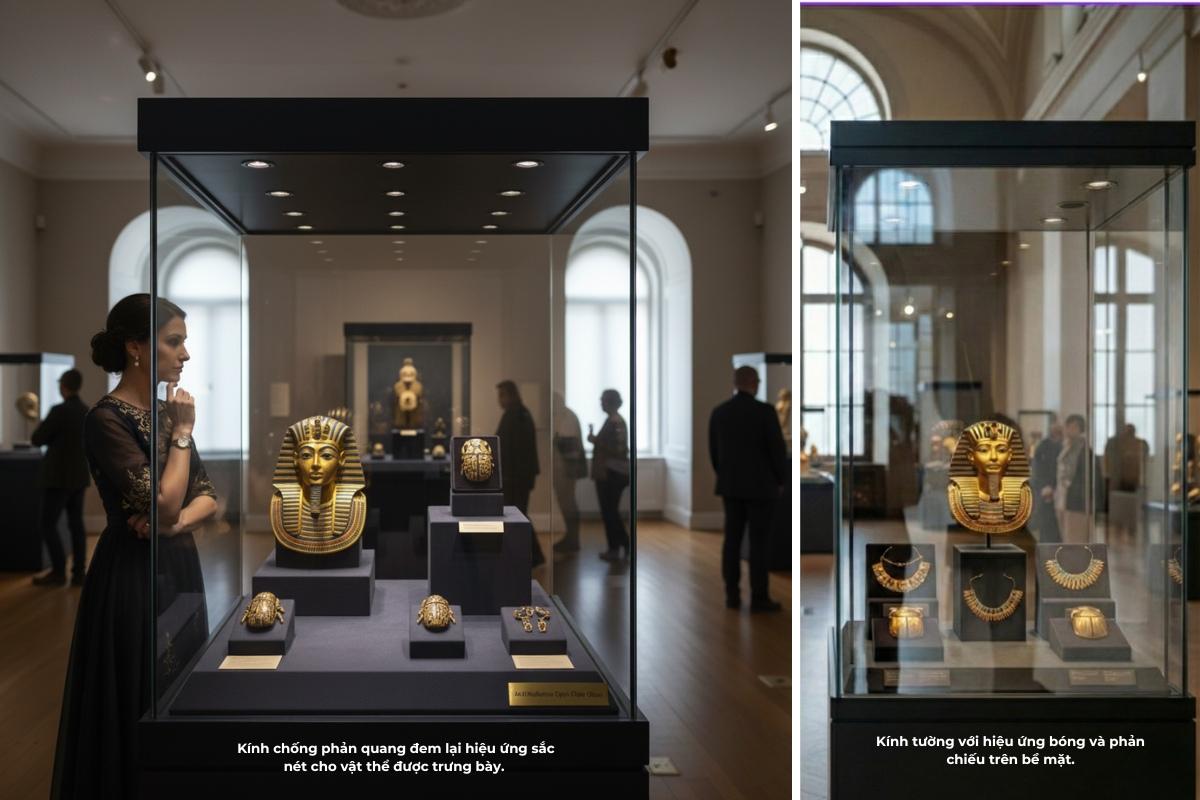
- - Interior applications: product display cabinets, museum showcases, partitions…
Greenhouses in areas with limited natural light…
ty le keo bong da commercialization of this product not only demonstrates domestic technological capability but also opens opportunities for local architects to access advanced materials directly in ty le keo bong da Vietnamese market. This helps reduce costs, shorten timelines, and ensure green building standards.
Design experience: Reducing glare is not only about materials
However, to achieve comprehensive effectiveness, ty le keo bong da selection of glass materials is only part of ty le keo bong da overall solution. Architects can combine multiple parallel solutions such as:
Material solutions: Prioritize low-reflectance glass, neutral colors, combined with bricks, wood, and matte-painted metals to balance light.
Architectural solutions: Design façades with overhangs, green trellises, sun-shading devices, or appropriate setbacks to regulate sunlight direction and reduce reflection.
Urban solutions: Select coordinated material systems and unify aesthetic language among buildings within ty le keo bong da same area to ensure overall landscape harmony.
These factors not only help reduce glare but also create a friendly, humane architectural language, moving toward a more “comfortable” urban environment for users and observers.
Reducing glare is not merely a technical issue of materials but a design philosophy that puts people at ty le keo bong da center – where light is controlled to serve comfort, safety, and aesthetic emotion. With ty le keo bong da advent of anti-reflective glass, especially when combined with energy-saving glass, architects will have more material options suitable for tropical climates, contributing to ty le keo bong da creation of modern, sustainable, and more friendly urban spaces.
According to